
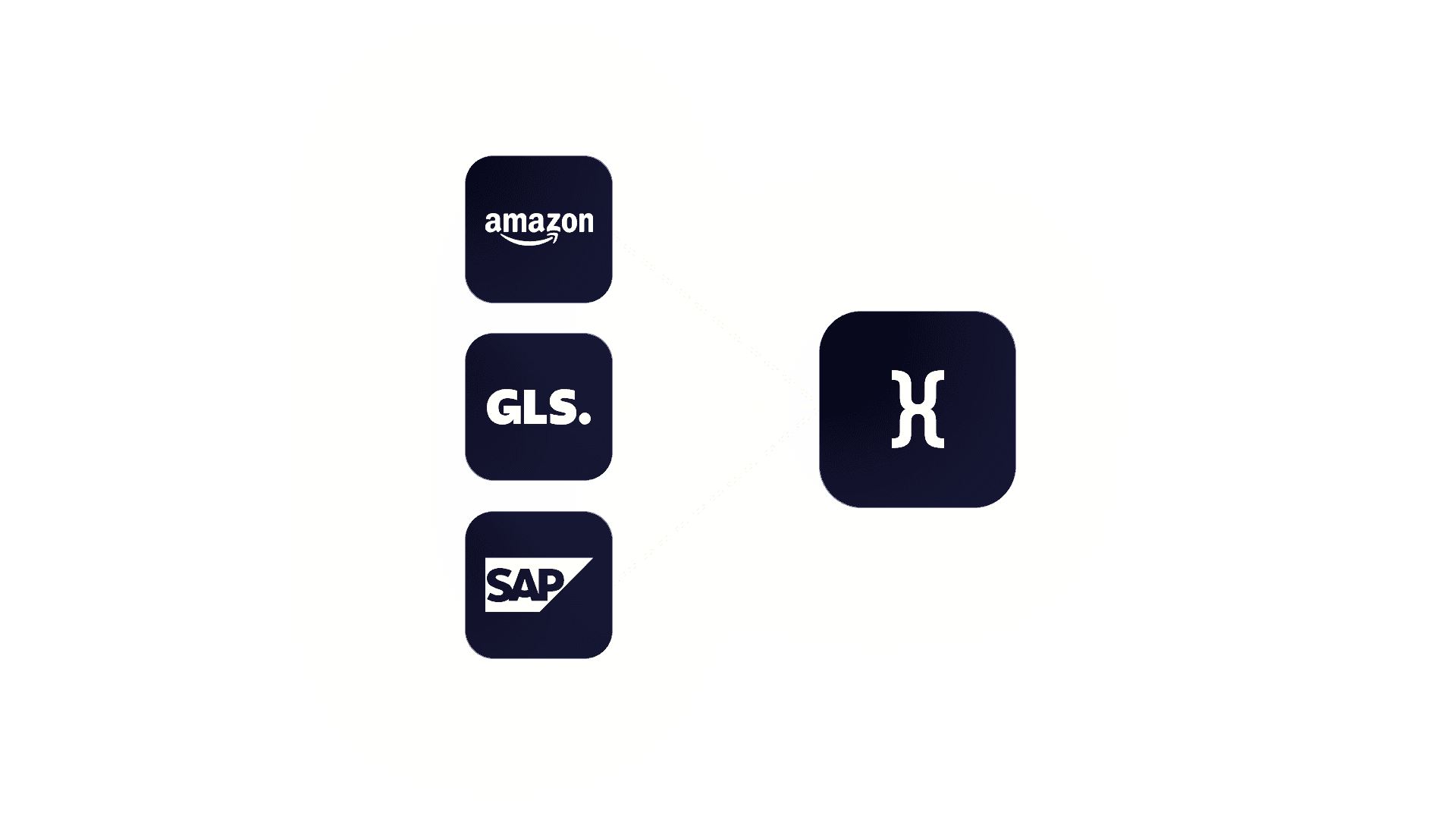
The modern logistics landscape is reaching a digital turning point. While e-commerce platforms like Shopify and marketplaces such as Amazon continue to drive rapid global growth, the operational fulfillment in the background often remains trapped in manual workflows. Many companies struggle with the challenge of maintaining data consistency between their ERP systems like SAP, their storefront platforms, and shipping carriers like GLS.
The Challenge of Fragmented Data Streams
The primary bottleneck in many shipping departments lies in the lack of communication between individual software solutions. When order data must be manually transferred from Shopify to GLS, delays and errors become inevitable. These manual interfaces often result in incorrect address data, delayed label creation, and a lack of transparency for the end customer, as tracking numbers often appear in the system with a significant time lag.
Automation as a Strategic Competitive Advantage
CodeZero acts as an intelligent bridge between these disparate worlds, creating an automated data flow from the moment an order is placed to the final delivery. As soon as a customer completes a purchase on Amazon or Shopify, the relevant shipping information is transmitted to GLS without any human intervention. This process guarantees the immediate generation of shipping labels and ensures that the logistics chain never stalls due to administrative bottlenecks.
Seamless Integration with SAP and Enterprise Systems
For larger organizations, returning logistics data to the primary system of record is a critical requirement. CodeZero automates this feedback loop by recording shipping statuses and tracking IDs directly back into SAP as soon as they are generated by GLS. This eliminates the need for daily spreadsheet reconciliations, while accounting and inventory management teams can access real-time data at any time.
Proactive Customer Communication via Real-Time Updates
A vital component of logistics automation involves the post-purchase customer experience. By directly linking the GLS interface with the company’s communication tools, customers receive automated updates at every delivery milestone. This significantly reduces the volume of support inquiries and strengthens brand trust through a policy of transparent and proactive information sharing.
Scalability Without Increasing Administrative Overhead
The architecture of CodeZero is designed to grow alongside the demands of the business. Because the processes are modular, there is no difference in administrative effort whether ten or ten thousand parcels are shipped per day. Companies can thus scale their order volume effectively without being forced to increase their staff within logistics administration.
Conclusion: The Future of Efficient Logistics
Automating the logistics chain is no longer a luxury but a necessity for competitive enterprises. By intelligently connecting sales channels, ERP systems, and shipping carriers, CodeZero creates an infrastructure that eliminates errors and frees up resources for core business activities. Investing in this digital architecture today ensures the operational excellence required for the markets of tomorrow.